
Unconscious self-sabotage in companies

Self-sabotage in companies, or contradictory communication: You have surely come across these forms of operational blindness yourself.
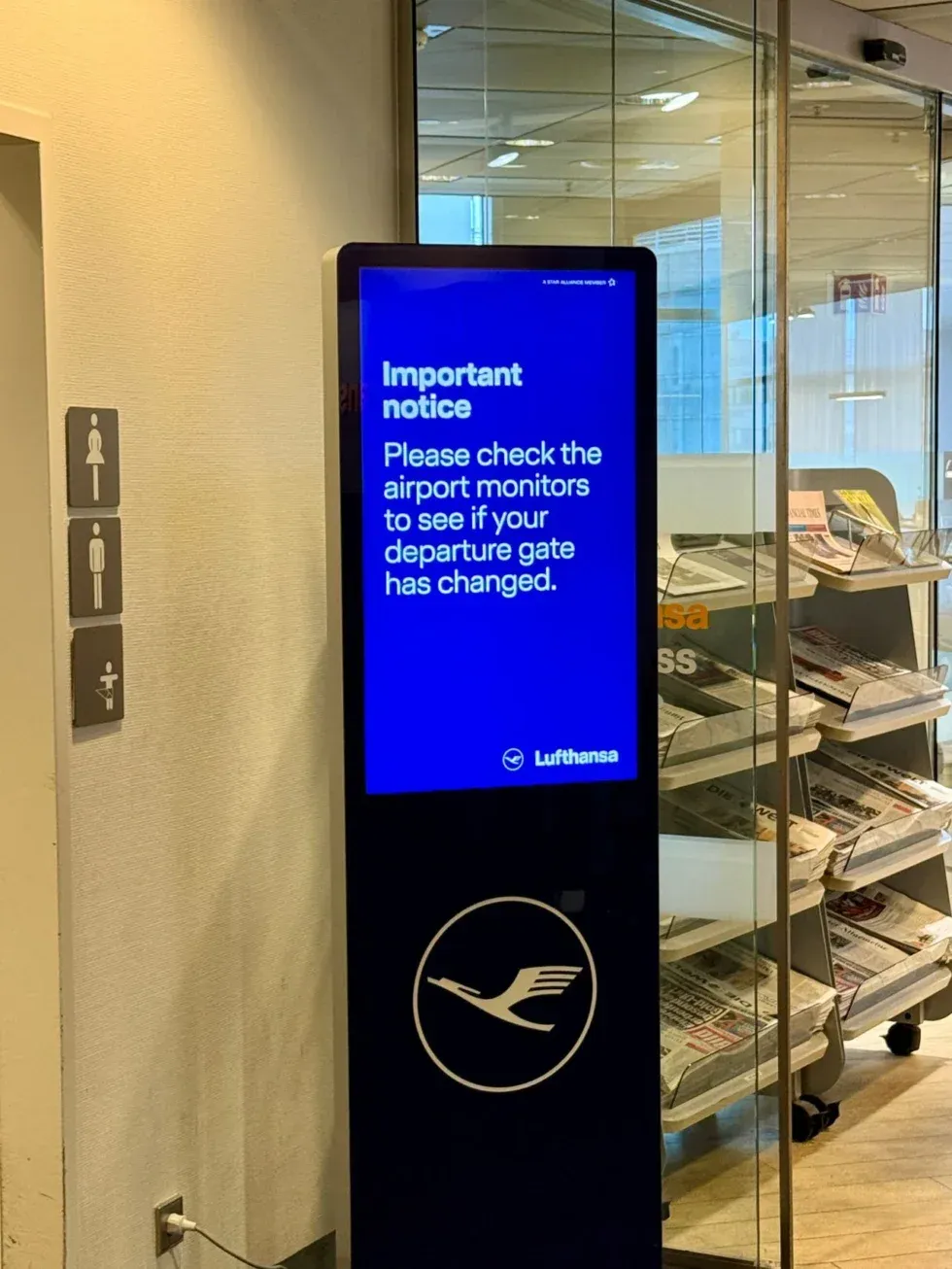
Example 1: Information paradox. On a display, Lufthansa asks its passengers to please check whether the departure gate has changed—yet that is exactly what the display itself could solve perfectly well. To an adult, this approach makes no sense—the user guidance is paradoxical and makes harder what it is trying to achieve.
Example 2: Functional absurdity. Mercedes and the little digital helpers that, right before a crosswalk, show me an overlay in text and image on the central display (the “digital speedometer”): “Watch for pedestrians.” Processing this information takes time—time in which I, as the driver, am looking at the road and watching for pedestrians. This distraction is absurd and creates a paradox.
Example 3: Companies that advertise highly paid senior executive positions for talent strategy and leadership development—yet applicants end up in standardized systems. The application process offers no way whatsoever to convey context, to start a dialogue, or to make a motive visible—for a role that is supposed to stand for exactly that.
A system calls for development—and at the same time structurally closes itself off from what it is looking for.
Eyes open. Much of what is well meant is no longer good when seen from a larger perspective.
#ConsciousLeadership